

You are here
Baroque
The flamboyant Baroque style originated in Italy from the early 17th to the mid-18th century, spreading through all of Europe and part of Latin America. In Portuguese, the terms refers to an irregularly-shaped pearl, however; the word was originally used derogatorily, describing a multitude of qualities, from theatrical to odd to ostentatious.
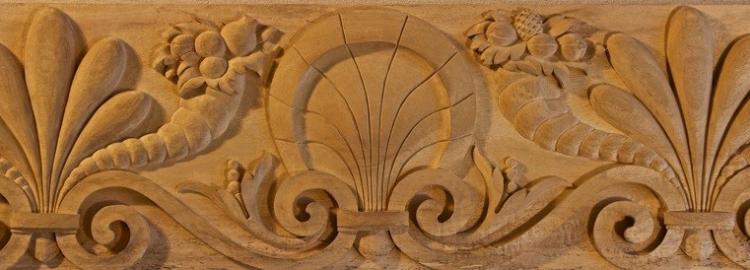
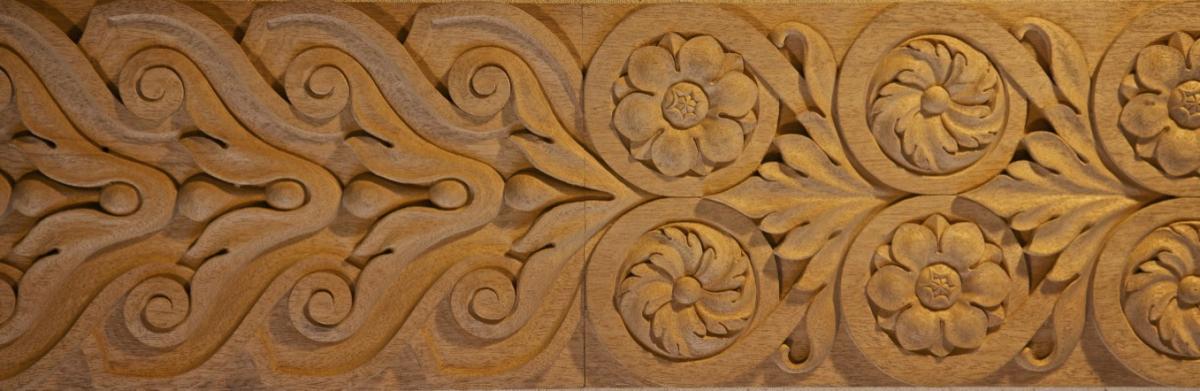
Distinguished by a sense of drama and a passion for the ornate, the style's elaborate, complicated figures, profusion of plant life, scrolling foliage and garlands of flowers can be seen in abundance in the painting, sculpture and architecture of the time. "Putti," the Italian word meaning chubby infants, were popular decorative elements on many Baroque objects. Heraldic crests and decorative monograms were also integrated into designs to symbolize status and ownership.
Interiors were sumptuously decorated. Often a massive staircase followed a state apartment—a succession of progressively rich interiors culminating in a presence chamber, throne room or state bedroom. This decidedly Baroque innovation can be found in many of the grand palaces throughout Europe. The Chateau de Maisons and the Palace of Versaille, both built near Paris in the mid 17th century are superb examples.
Baroque architecture
In contrast to the 16th century Mannerist style of art and architecture, which was clever and intellectually sophisticated, the Baroque style was much more visceral and direct. The architecture boasts audacious massing and elaborate domes and colonnades.
Reaching its highest standard in France during the reign of Kin Louis XV, the style flourishes even today as a lavish alternative to the more modern, minimalist aesthetic. No one understands this better than the expert artisans at Agrell Architectural Carving, where the bold, curing forms, bulbous figures and elaborate ornamentation of this exuberant style are beautifully brought to life.
Agrell Architectural Carving: Our period style design consultation services.
Further information on hand carved architectural reproduction.


